


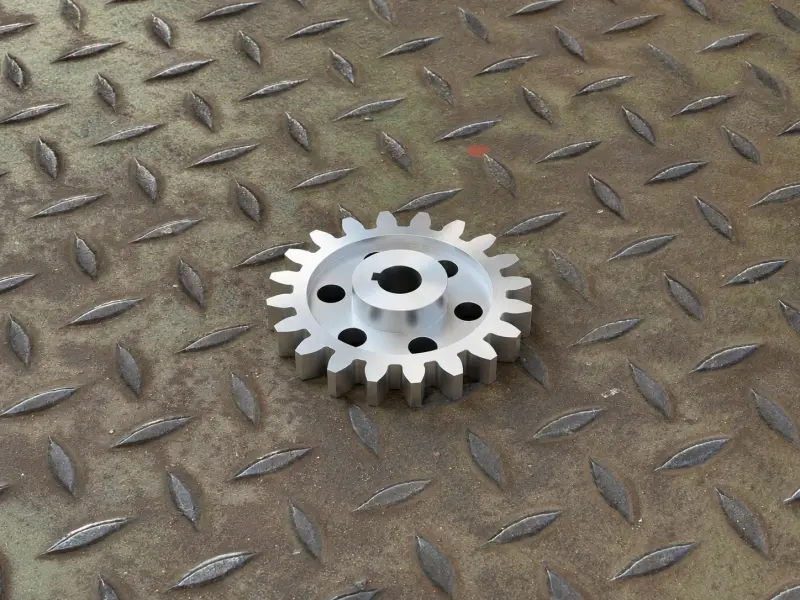
 Gear
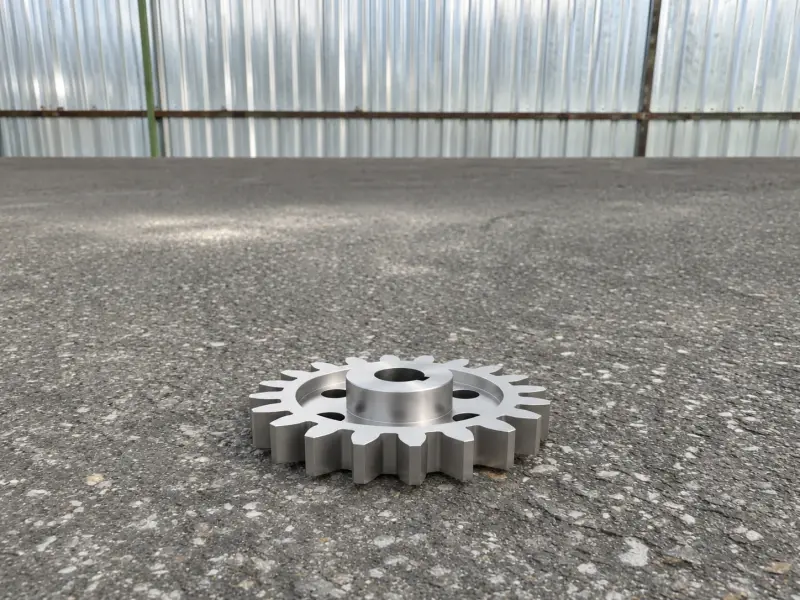 Gear
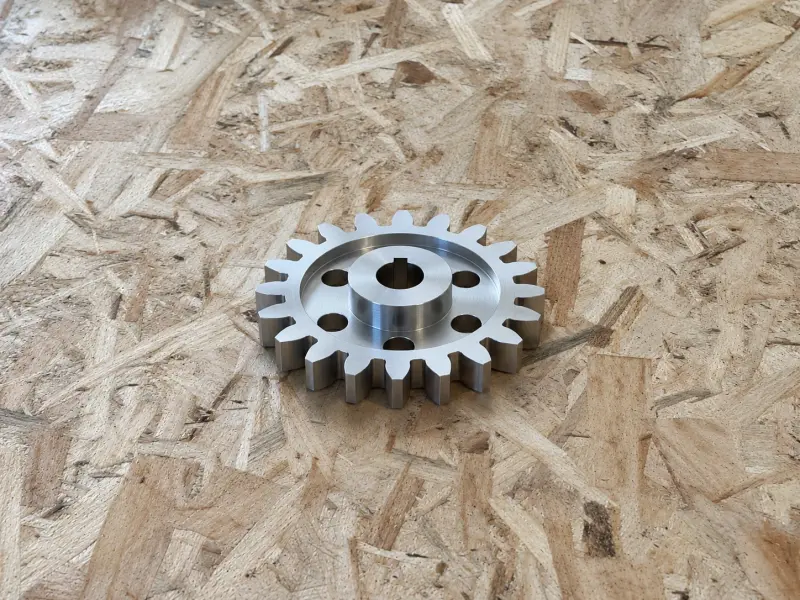 Gear
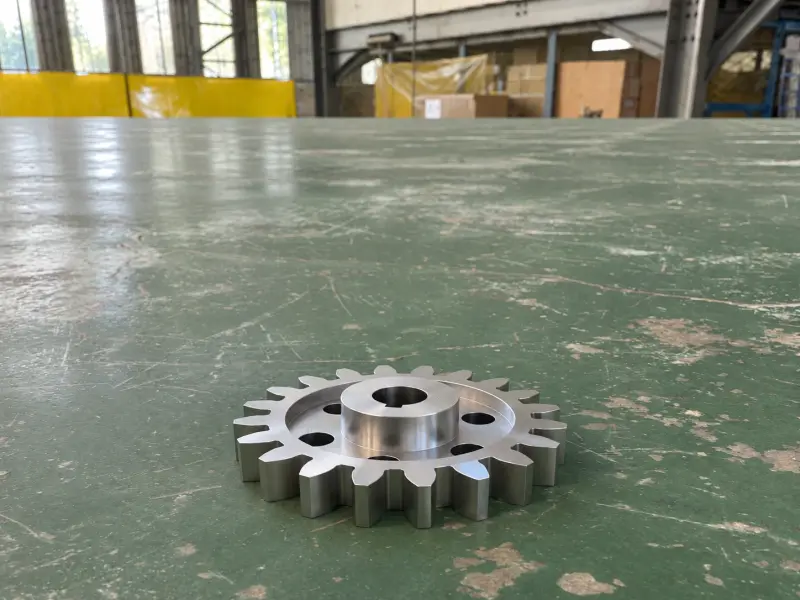 Gear
Notice missing parts before the line stops.
The camera sees which parts are at hand and which are not. A gap shows before it halts production.
Recognise your parts by camera, without a single training photo. We train the AI model from your 3D models.
Manufacturers want to recognise their parts by camera, often thousands of different ones. Training photos hardly ever exist, a 3D model almost always does.
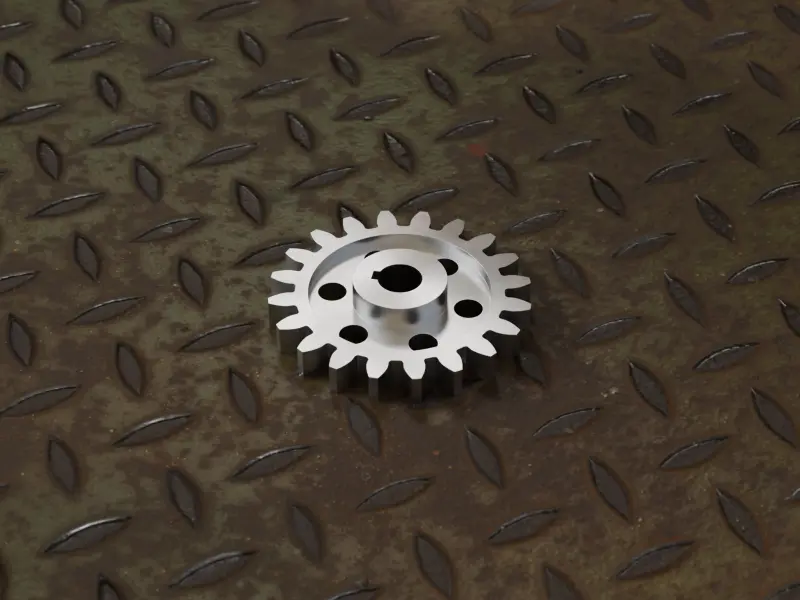
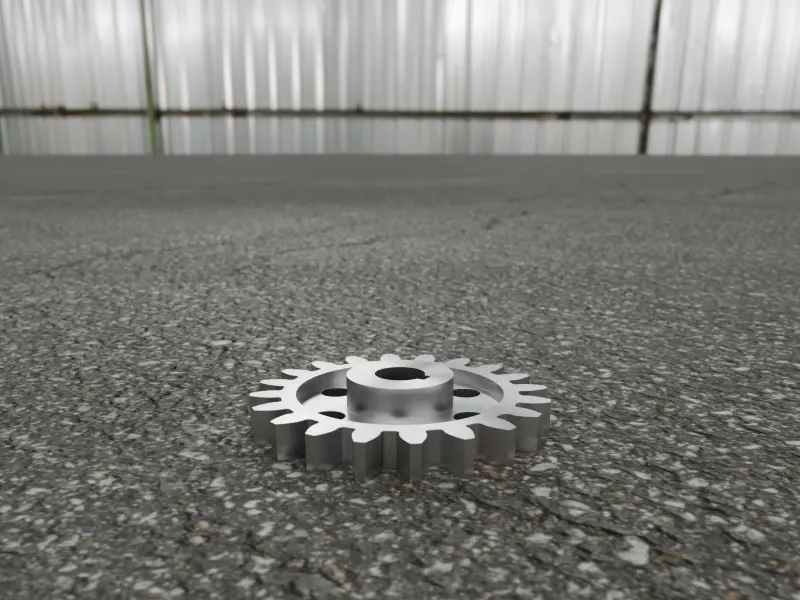
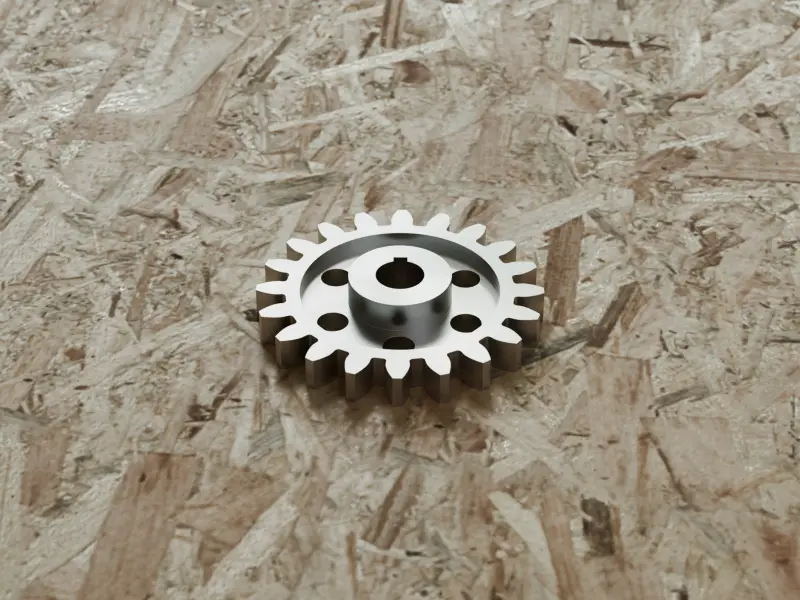
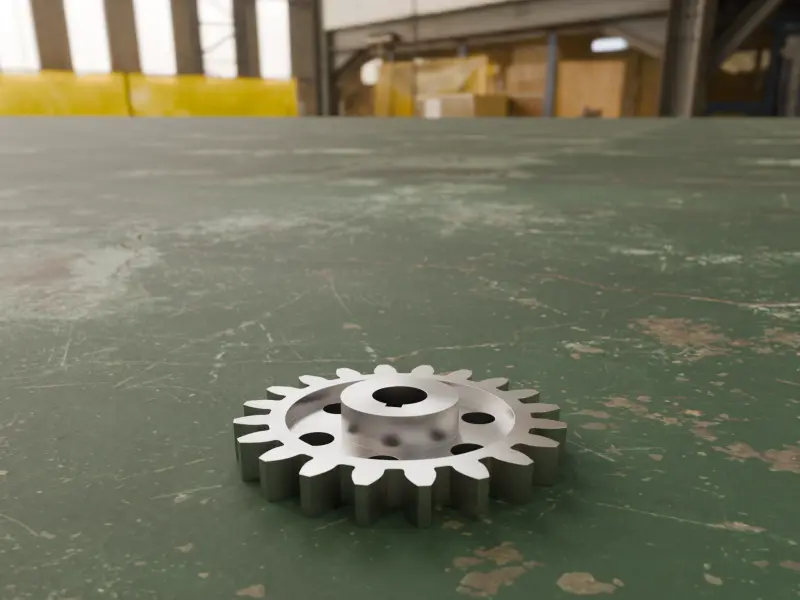
The model becomes images with material, light and ground, the way a camera would see the part.
Ground and light can be exchanged at will.
Viewpoint, ground and light change from image to image. A single 3D model turns into a whole data set: synthetic data.
In a second step a generative model reworks every rendering until it can hardly be told from a photo.
On the synthetic data we train a model made for your parts, even if there are 10,000 different ones. How well it recognises them, we check on real photos.
Take a picture of the part, and the model says which one it is: in an app on a phone, for example, and on-premise on your own hardware if you wish.
Those who can tell every part at once search less, mix up less and notice sooner when something is missing.
The camera sees which parts are at hand and which are not. A gap shows before it halts production.
One photo matches an unlabelled part to its part number. Nobody has to search the catalogue.
Take a picture of the broken part on site and know which one to reorder, even among variants that hardly differ.
Nothing off the shelf: we train it for your parts and your use case.
Training uses images made from your 3D models. You do not have to photograph and label a single part.
What the model has learned on synthetic data, we compare with real photos of your parts.
The model can run on your own hardware. Your images and 3D models stay in house.
Send us the 3D models of a few parts. We show you how well a model trained on them recognises them.